[ DOCTOR-G ]

Write Naturally. Work Digitally.

Doctor-G transforms handwritten clinical notes into structured digital health records in real time — with no change to how clinicians already work.
Clinician writing on a tablet
[ THE CHALLENGE ]

Hospitals generate massive clinical data — on paper.

80%+ of facilities still run on paper-based documentation.

Every ward produces a mountain of notes each day, yet most of it never becomes usable data. The paper habit quietly costs time, accuracy and every downstream report that depends on it.
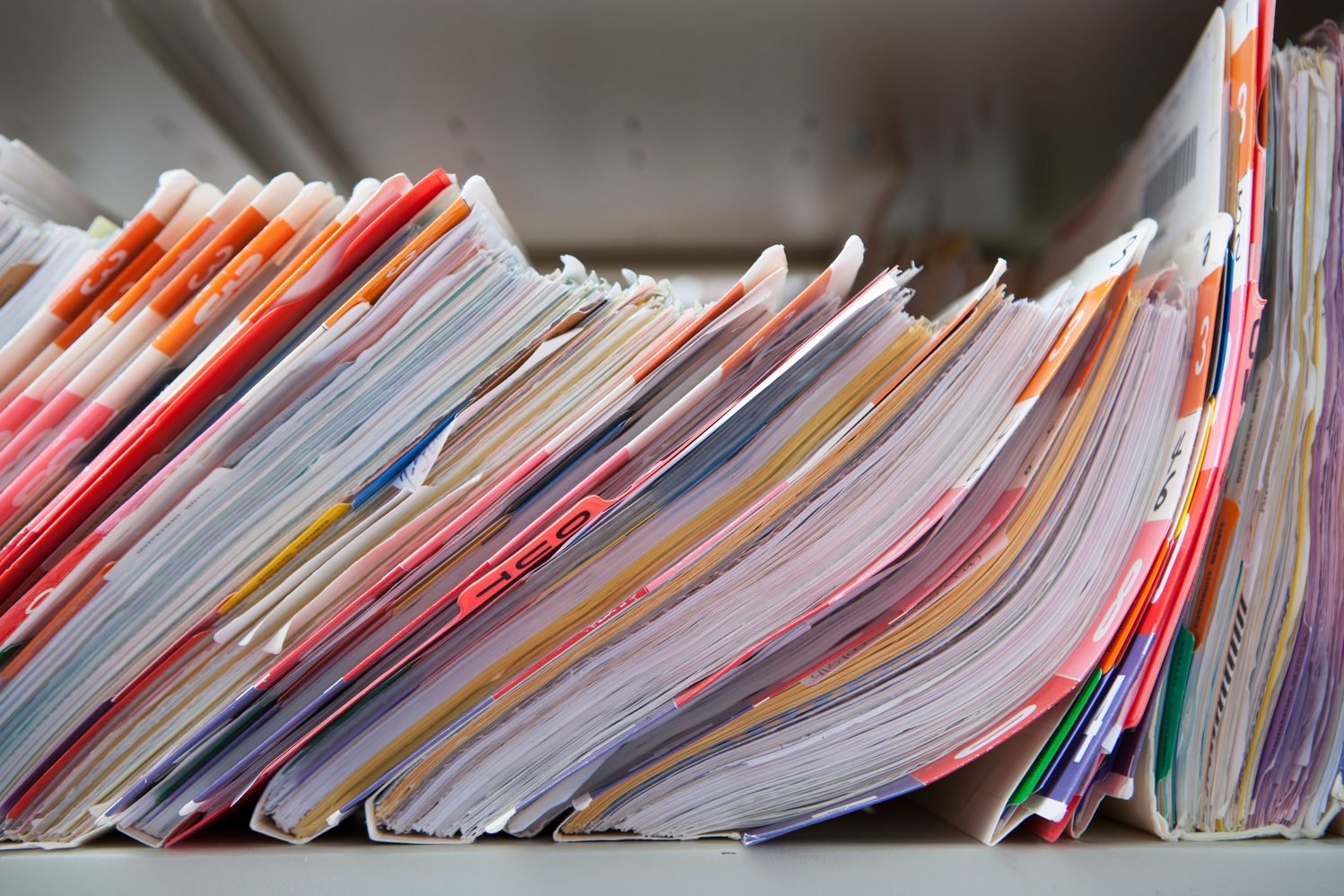
Paper patient files
[ THE COST OF PAPER ]

Paper dependency touches everyone.

For Doctors

More documentation time, less time with patients.

For Nurses

Repetitive manual records, duplicated across shifts.

For Administrators

Delayed reporting and incomplete operational data.

For Patients

Fragmented history that nobody can retrieve quickly.

[ HOW IT WORKS ]

A smarter way to document clinical care.

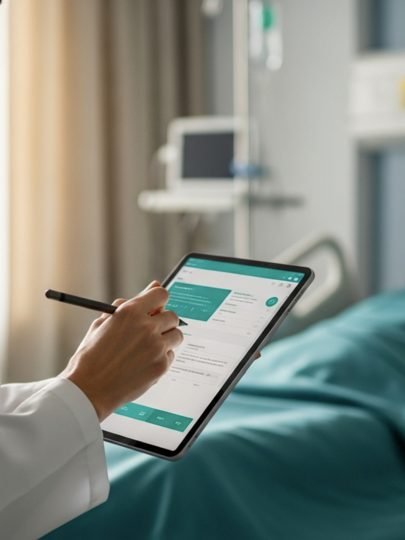
Doctors and nurses keep writing naturally on a stylus-enabled tablet. Doctor-G instantly converts that handwriting into structured, searchable clinical data.
OPD Prescriptions
Nursing Notes
Bedside Vitals
Discharge Summaries
Doctor-G on a bedside tablet
[ WHAT IT DIGITIZES ]

Scribbles in. Structured records out.

Exactly as it's written at the desk or bedside — captured, understood, and filed the moment the pen lifts.
OPD Prescriptions

Tab PCM 500mg 1-0-1 × 5 days

Read as a drug, a dose, a frequency and a duration — not as an image.

Nursing Notes

Pt stable, afebrile, tolerating orals

Filed against the right patient, shift and ward.

Medication Records

Inj Ceftriaxone 1g IV BD

Matched to the formulary, with the route and schedule preserved.

Bedside Vitals

BP 124/82 · P 78 · SpO₂ 98%

Charted as values that can be trended, not re-typed later.

[ ZERO LEARNING CURVE ]

A paper-like experience — nothing new to learn.

Minimal resistance to adoption, fast rollout across departments, and high clinician acceptance from day one.
  1. 1

    Write freely

    Any tablet and a stylus. No template to fill in, no fields to tab through.

  2. 2

    Annotate naturally

    Underline, circle, annotate and highlight the way you already do on paper.

  3. 3

    English, Hindi or both

    Write bilingually mid-sentence; the engine handles it.

[ THE AI ENGINE ]

More than handwriting recognition.

With SNOMED CT integration, the engine understands clinical context — recognising terminologies, diagnoses, drug names and dosages rather than just shapes on a page.
Diagnoses
Drug Names
Dosages
Investigations
Nursing Observations
Vital Signs
Clinical Terminology
Medical Abbreviations
[ WORKFLOW DIGITIZATION ]

Built for both OPD and IPD.

01

Smarter outpatient documentation

Prescriptions, advice and follow-up captured at the desk and filed instantly, so the next visit starts with a complete history.

02

Complete bedside documentation

Nursing notes, vitals and medication records written at the bedside and available on the ward system immediately.

[ THE TRANSFORMATION ]

What changes after deployment.

From cabinets of paper to a single searchable record.
Documentation time falls
Clinicians write once, at the point of care, instead of writing and then re-entering.
Records become searchable
A patient history is a query, not a trip to the records room.
Reporting stops being manual
Operational and clinical reports build from data that is already structured.
Compliance evidence exists
Audit trails and complete records, without anyone assembling them by hand.
[ INTEGRATION ]

Designed to work with existing infrastructure.

Doctor-G plugs into the systems your hospital already runs — no rip-and-replace.
HIMS
EMR
LIS
Pharmacy
Billing
Reporting Systems
Offline-first architecture
[ AI DISCHARGE SUMMARIES ]

From full patient stay to structured summary — automatically.

  1. 1

    Pulls the records

    Digitized notes, prescriptions and nursing records — all in one place.

  2. 2

    Analyzes the stay

    AI reviews the complete admission rather than the last note written.

  3. 3

    Drafts the summary

    A structured discharge summary the clinician reviews and signs, instead of writes.

[ ONE PLATFORM, MANY WINS ]

Benefits for every stakeholder.

Doctors

Faster documentation

Natural handwriting workflow, improved prescription accuracy, and easy access to patient history.

Nurses

Less duplication

Bedside records entered once and available on the ward system immediately.

Administrators

Real operational data

Complete, timely records that reporting and compliance can actually rely on.

Patients

A history that follows them

One retrievable record across visits, departments and admissions.

[ SECURITY & COMPLIANCE ]

Built for healthcare data protection.

DPDP Act Ready
NABH-Aligned
HL7 FHIR Support
AES-256 Encryption
Role-Based Access
Audit Trails
Secure Cloud
Data Residency
[ QUESTIONS ]

Doctor-G — common questions

What is Doctor-G?
Doctor-G is handwriting AI for clinical documentation. Clinicians keep writing naturally on a stylus-enabled tablet, and Doctor-G converts what they wrote into structured, searchable clinical data in real time — prescriptions, nursing notes, bedside vitals and medication records.
Is Doctor-G just handwriting recognition?
No. With SNOMED CT integration the engine reads clinical context rather than shapes on a page. "Tab PCM 500mg 1-0-1 x 5 days" is filed as a drug, a dose, a frequency and a duration — not stored as an image of a line of text.
Do clinicians have to be retrained?
No, and that is the point of it. There is no template to fill in and no fields to tab through. Underlining, circling and annotating all work the way they do on paper, which is why adoption does not stall in the second week.
Does Doctor-G work in Hindi?
Yes. It handles English, Hindi, and sentences that switch between the two mid-line, which is how notes are actually written on an Indian ward.
Can Doctor-G write discharge summaries?
It drafts them. The AI reviews the complete admission — digitised notes, prescriptions and nursing records — rather than the last note written, and produces a structured discharge summary the clinician reviews and signs instead of writing from scratch.
What does Doctor-G need to integrate with our hospital systems?
It plugs into existing HIMS, EMR, LIS, pharmacy, billing and reporting systems rather than replacing them. The architecture is offline-first, so documentation continues through a connectivity drop and syncs afterwards.
Is patient data secure?
AES-256 encryption, role-based access, full audit trails, secure cloud with data residency, DPDP Act readiness, NABH alignment and HL7 FHIR support.
[ THE FUTURE STARTS HERE ]

The future of clinical documentation starts here

No workflow disruption · Faster documentation · Better compliance · Improved operational efficiency · Reduced paper dependency.